BTC to ETH Exchange with Live Rate and Converter
Use this page to create a BTC to ETH exchange order: you send Bitcoin and receive Ethereum in your chosen wallet. Enter the BTC amount, add your ETH wallet address, and review the estimated ETH receive amount shown before payment. After the order is created, you will receive BTC deposit details for this pair, and the ETH payout is sent to the Ethereum wallet address you provided.
Before sending funds, check that you are using the correct selected BTC deposit network and that your receiving wallet supports ETH on the shown network. This is an exchange flow, not a normal blockchain transfer from native BTC directly to a standard ETH wallet address. The displayed BTC to ETH quote is an estimate before payment and may update depending on the selected rate type and current exchange conditions.
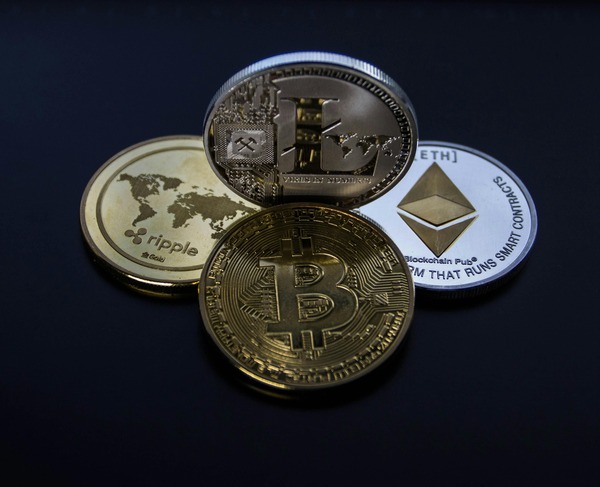
How a BTC to ETH exchange works
This page is specifically for creating a BTC → ETH exchange order. In that order, the BTC deposit details and the ETH receiving address serve different purposes: one is where you send Bitcoin, and the other is where you receive Ethereum.
A BTC to ETH exchange does not work by sending BTC directly to a standard Ethereum address as a native blockchain transfer. Instead, you create an order, send BTC to the generated deposit address and details, and the service completes the conversion and pays out ETH to the Ethereum address you entered.
BTC to ETH rate: quote, estimate, and final ETH amount
The BTC to ETH exchange rate shown on the page reflects current market and execution conditions at the time you prepare your order. That quote gives you an estimated ETH receive amount before payment, helping you compare the pair before sending BTC.
The final ETH payout can differ from the initial estimate for several practical reasons. Market movement, available liquidity, network-related fees, and the amount of BTC actually received can all affect execution. Confirmations also matter, because the exchange is processed after the incoming BTC transaction reaches the required confirmation state.
If a fixed rate mode is available, it locks quote conditions for a limited time according to the order terms. If a floating rate mode is used, the BTC to ETH rate may change with market conditions until the swap is executed.
BTC to ETH conversion examples
The table below shows example BTC amounts converted into estimated ETH outputs for this exact pair direction. Use it to compare common BTC input sizes before creating your exchange order.
Recent BTC to ETH rate movement
This chart shows the recent BTC/ETH exchange-rate relationship for users who want more context before converting Bitcoin to Ethereum. It is a pair-ratio view designed to support quote checking and decision-making before creating an order, not a price prediction.
When users commonly exchange BTC for ETH
Users often exchange BTC for ETH when they want to fund an Ethereum wallet, prepare for Ethereum-network activity, or move part of their crypto holdings from Bitcoin into Ethereum through a direct crypto-to-crypto exchange flow. In these cases, checking the quote first helps confirm the expected receive amount before any BTC is sent.
This pair is also useful when the destination wallet is already set up for ETH and ready to receive payout. Before submitting an order, it is worth verifying the destination address format and compatibility; if you need a refresher, see the Ethereum address guide for a practical explanation of what to check.
How to exchange BTC to ETH step by step
- Enter the amount of BTC you want to exchange.
- Add the Ethereum receiving address where you want the ETH payout sent.
- Review the quote, including the estimated ETH amount and any visible exchange details.
- Create the exchange order.
- Send BTC only to the generated deposit details shown for that order.
- Wait for the required blockchain confirmations so execution can continue.
- After the conversion is completed, ETH is sent to your provided Ethereum wallet address.
- Check the order status until the payout is completed.
This page is only for the BTC → ETH direction. If you need the reverse route instead, use the dedicated ETH to BTC exchange page.
BTC deposit and ETH receiving address checks
Check the BTC deposit details before sending
Always send BTC only to the deposit details generated for your specific order. Before you transfer funds, verify the selected deposit network, review the source chain you are sending from, and confirm that the order details match the pair you intended to use. Sending on the wrong network or to outdated order details can cause delays or other transaction issues.
Check the ETH wallet address before payout
Make sure the Ethereum receiving address is correct, complete, and compatible with the payout network shown in the order. A copied address error or network mismatch can lead to a failed or delayed payout. Before you confirm the order, double-check the first and last characters of the address and confirm that the destination wallet is ready to accept ETH.
Before sending BTC, review this quick checklist
- Confirm that you are on the BTC to ETH route, not the reverse direction.
- Check the BTC amount you entered and the estimated ETH receive amount.
- Make sure the ETH receiving address is correct and compatible.
- Review whether the quote is fixed or floating.
- Send BTC only to the generated order details for this exchange.
- Verify the selected network before sending from your wallet or source platform.
- Remember that blockchain confirmations may affect payout timing.
- If you send an incorrect amount, final execution can differ from the original estimate.
Fees, limits, processing time, and registration questions
Minimum and maximum exchange amounts for BTC to ETH depend on the current pair and market conditions at the time of the order. Processing time can also vary, because it is affected by BTC network activity, required blockchain confirmations, and execution conditions.
No registration for standard crypto-to-crypto swaps. No KYC for standard crypto-to-crypto exchange routes, unless additional checks apply. If you want broader background on registration-related policies, the no KYC Ethereum exchange guide covers that topic separately, while this page stays focused on the BTC to ETH route.
Ready to exchange BTC to ETH?
Review your quote, confirm your ETH receiving address, and create the order from the form above.
Start your BTC to ETH exchangeFAQ about BTC to ETH exchange
1. Can you swap BTC for ETH?
Yes. This route lets you create an exchange order where you send BTC and receive ETH in your specified Ethereum wallet.
2. How do I exchange BTC to ETH?
Enter the BTC amount, provide your ETH receiving address, review the quote, create the order, and send BTC to the generated deposit details. After confirmations and execution, ETH is paid out to your wallet.
3. Can I send BTC directly to an ETH wallet?
No. A native BTC transfer is not the same as a BTC to ETH exchange order. For this pair, you send BTC to the order's deposit details, and the service separately sends ETH to your Ethereum address.
4. What affects the BTC to ETH exchange rate?
The quote can be influenced by market movement, available liquidity, fees, the amount of BTC received, and the selected rate type, such as fixed or floating.
5. Why can the estimated ETH amount change?
The estimate may change because of market conditions during execution, differences between expected and received BTC amounts, network-related factors, or floating-rate processing.
6. Do I need an Ethereum wallet address to receive ETH?
Yes. You need to provide a valid Ethereum receiving address so the ETH payout can be sent after the BTC side of the order is completed.
7. How long does a BTC to ETH exchange usually take?
Timing varies by BTC network confirmations and current exchange conditions. Orders are processed after the incoming BTC transaction reaches the required confirmation stage.
8. Are there minimum or maximum exchange amounts?
Yes. Minimum and maximum limits can apply and may change depending on the pair and current market conditions shown when the order is created.
9. Do I need to register, and can additional checks apply?
Standard exchange routes can usually be started without account registration. However, additional checks may apply to selected transactions or risk cases.