Is ERC20 Ethereum?
ERC20 is on Ethereum, but it is not Ethereum. Ethereum is the blockchain network, ETH is its native coin, and ERC20 is a token standard used by many tokens built on Ethereum.
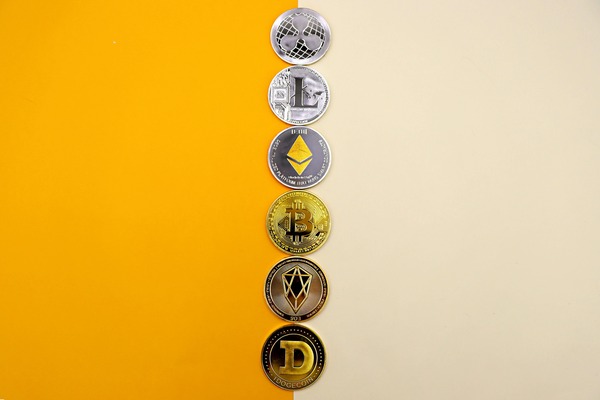
That distinction matters because people often see "ERC20" in wallets and exchanges and assume it means the same thing as ETH or Ethereum itself. It does not. In practice, misunderstanding the label can lead to transfer mistakes, especially when choosing a withdrawal network or checking whether a receiving platform supports a token. This article explains the difference between Ethereum, ETH, and ERC20, what "ERC20" usually means in wallet menus, whether Ethereum-style addresses can receive ERC20 tokens, why ETH is needed for gas, and what to check before sending. It is not a wallet ranking, a conversion guide, or a full comparison of Ethereum token standards.
Ethereum vs ETH vs ERC20
Ethereum is the blockchain network. It is the underlying system that processes transactions and runs smart contracts. ETH is the native coin of that network and is used to pay transaction fees on Ethereum. ERC20 is not a coin and not a separate blockchain. It is a technical standard for fungible tokens created through smart contracts on Ethereum.
A simple way to separate them is this: Ethereum is the network, ETH is the network's built-in asset, and ERC20 is the rule set many Ethereum-based tokens follow.
| Term | What it is | Main use | Example |
|---|---|---|---|
| Ethereum | Blockchain network | Runs smart contracts and records transactions | Ethereum mainnet |
| ETH | Native coin of Ethereum | Pays gas fees and can be transferred directly | ETH |
| ERC20 | Token standard on Ethereum | Defines how many Ethereum-based tokens behave | USDC, LINK, UNI, SHIB on Ethereum |
This is why ETH and ERC20 tokens can appear in the same wallet, yet they are still different asset types.
What "ERC20" usually means in a wallet or exchange
In many wallet apps and exchange withdrawal menus, "ERC20" usually refers to the Ethereum mainnet version of a token. If you select USDT on the ERC20 network, that normally means you are sending the Ethereum-based version of USDT, not a version issued on another blockchain.
This wording can be confusing because platforms do not always label things the same way. One screen may say "Ethereum," another may say "ERC20," and another may list both the asset and network together. In practice, the key question is not just the token name. It is whether the receiving side supports the exact token-network combination. For example, "USDT" by itself is not enough information, because USDT can exist on multiple networks. If you want to compare that issue more directly, see ERC20 vs TRC20 for USDT.
Can an Ethereum address receive ERC20 tokens?
Often, yes. An Ethereum-style address, usually shown in 0x... format, can often receive both ETH and supported ERC20 tokens on Ethereum. That is one reason people assume ETH and ERC20 are the same thing.
But the address format alone does not guarantee that every platform will credit every asset sent to it. A self-custody wallet may let you hold ETH and many Ethereum-based tokens at the same address if the wallet supports them. A custodial platform, such as an exchange, may use the same address format while supporting only certain tokens or only certain deposit routes. So even if the destination address looks correct, the receiving platform still has to support the exact token on the Ethereum network.
The practical takeaway is simple: the same 0x... style address can be compatible with multiple Ethereum assets, but you should never rely on address format alone. If you are unsure how these addresses work, it helps to read what is an Ethereum address before making a transfer.
Can you send ETH to an "ERC20 address"?
Sometimes people ask whether they can send ETH to an "ERC20 address." That phrase is a little misleading, because ERC20 tokens and ETH commonly use the same Ethereum address format. In many cases, an Ethereum address can receive ETH and supported ERC20 tokens on Ethereum.
The real issue is not whether the address looks like an ERC20 address. The real issue is whether the destination wallet or platform expects ETH, supports the token you are sending, and supports deposits on Ethereum mainnet. If the receiving service does not support that asset-network pair, the deposit may not be credited automatically and recovery may be difficult or unavailable.
Why ERC20 transactions usually need ETH
ERC20 tokens operate through smart contracts on Ethereum. When you send one, the network processes a contract interaction that updates token balances on-chain. That transaction requires gas, and gas on Ethereum is normally paid in ETH.
So even if your wallet contains only an ERC20 token such as USDC or UNI, you may still need some ETH in the same wallet to send it on Ethereum. This is a common source of confusion for new users. The token being sent may be USDT or LINK, but the fee asset is usually ETH. If you need a deeper explanation of fees, see gas in Ethereum.
How to check whether a token is ERC20 before sending
Before sending, confirm the token's network and contract details rather than relying only on the ticker symbol. A token can share the same name across several blockchains, while each version is technically a different asset on a different network.
A few checks usually help. First, look at the network selector or deposit menu and confirm it says Ethereum or ERC20 in a way that clearly refers to Ethereum mainnet. Second, check whether the asset has a contract address on Ethereum, which is a strong sign that it is a token rather than native ETH. Third, confirm that the receiving platform supports that exact token-network combination. And if you are sending to a self-custody wallet, verify that the wallet supports viewing or importing that token contract.
Common mistakes when people confuse ETH and ERC20
The most common mistake is assuming ERC20 means ETH. It does not. ETH is the native coin, while ERC20 describes a token standard used by separate assets on Ethereum. Another frequent mistake is choosing a withdrawal network by token name alone. A user may see "USDT" or "USDC" and assume every version is interchangeable, even though the network matters just as much as the asset name.
People also run into problems when they assume the same 0x... address format guarantees support everywhere. It does not. A destination can use an Ethereum-style address and still reject or fail to credit an unsupported token. Another common issue is forgetting that ERC20 transfers usually require ETH for gas, which can leave users unable to move tokens out of a wallet until they add some ETH.
Before you send: 5-point checklist
- Confirm the asset you are sending: ETH or a specific ERC20 token.
- Confirm the network: Ethereum mainnet, not just the token ticker.
- Confirm the destination supports that exact token-network combination.
- Confirm the destination address is copied correctly and belongs to the intended wallet or platform.
- If possible, start with a small test transfer before sending the full amount.
Final answer
ERC20 is not Ethereum itself. Ethereum is the blockchain network, ETH is the native coin of that network, and ERC20 is a token standard used for many fungible tokens issued on Ethereum.
If you remember one thing, make it this: ERC20 does not mean ETH, and it does not mean Ethereum as a whole. It usually means an Ethereum-based token that follows the ERC20 standard. Knowing that difference can help you choose the right withdrawal network, confirm destination support, and avoid common transfer mistakes.
FAQ
Is ERC20 a coin or a token?
ERC20 refers to a token standard. Assets that follow it are tokens created on Ethereum through smart contracts.
Is ETH an ERC20 token?
No. ETH is Ethereum's native coin and is not an ERC20 token.
Does ERC20 mean Ethereum mainnet?
In many wallet and exchange menus, ERC20 usually refers to the Ethereum mainnet version of a token. You should still confirm the exact network label shown by the platform.
Can the same Ethereum address receive ETH and ERC20 tokens?
Often yes, especially in self-custody wallets that support those assets. But a receiving platform must still support the exact token-network combination.
Why do I need ETH to send ERC20 tokens?
Because ERC20 token transfers on Ethereum usually require gas fees, and those fees are typically paid in ETH.
Is USDT always ERC20?
No. USDT exists on multiple networks. Only the Ethereum-based version of USDT is ERC20.
Are all tokens on Ethereum ERC20?
No. ERC20 is the main standard for fungible tokens on Ethereum, but other token standards also exist.