ETH to BTC Exchange with Live Rate and Converter
Use this ETH to BTC exchange route to send Ethereum and receive Bitcoin in one order. Enter the ETH amount, add your BTC payout address, review the estimated quote, and then send ETH to the generated deposit address shown for the order. The exchange widget displays the expected BTC output before payment so you can review the conversion terms in advance.
This is not a direct cross-chain transfer from an ETH wallet to a normal BTC wallet. Instead, you create an exchange order: you send ETH on the supported deposit network, and the order pays out BTC to your Bitcoin wallet address.
Before sending funds, review the estimated BTC amount, the minimum exchange amount, and the rate type if shown. You should also confirm the supported ETH deposit network and make sure your BTC receiving address is valid and compatible for receiving Bitcoin.
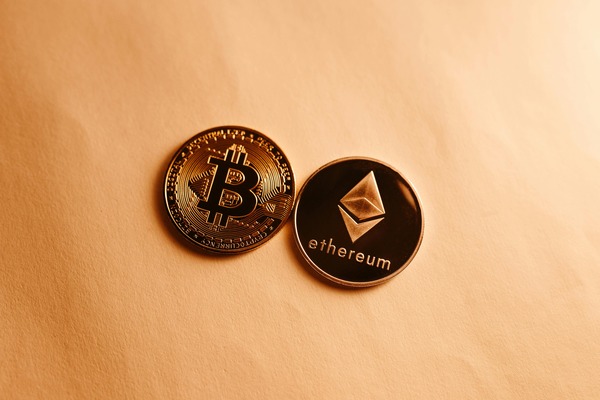
How the ETH to BTC exchange route works
An ETH to BTC exchange order keeps the send side and the receive side separate. You do not send ETH to a BTC wallet address. Instead, the order generates ETH deposit information for the payment side and uses your BTC payout address for the receiving side. This helps prevent cross-chain confusion and reduces the risk of a network mismatch.
- Enter the BTC receiving address where you want to get Bitcoin.
- Receive the ETH deposit address and payment details created for this order.
- Send ETH on the supported network and wait for the BTC payout after completion.
ETH to BTC exchange rate: quote, estimate, and final received amount
The ETH to BTC exchange rate on this pair reflects the current ETH/BTC market, available liquidity, the execution path, and market movement during the order window. What you see before payment is an estimate for the expected BTC payout.
What the estimate includes
The initial estimate usually reflects the current ETH to BTC exchange rate, the amount you plan to send, and the terms available when the order is created. It helps you check how much BTC you may receive before sending ETH.
Why the final BTC amount can change
On floating-rate swaps, the final BTC payout can differ from the initial estimate if the ETH/BTC rate moves while the order is being funded, confirmed, or completed. Timing and available liquidity can also influence the final conversion result.
When a fixed quote may matter
If a fixed-rate option is available, it may lock the displayed terms for a limited time. That can be useful when you want more certainty about the BTC amount you will receive. If the order uses a floating rate instead, the payout follows market changes during completion.
ETH to BTC conversion examples
The table below shows example ETH amounts converted into estimated BTC output for this exact pair direction. It is a practical way to compare common order sizes before sending funds.
ETH to BTC step by step
- Choose the amount of ETH you want to exchange for BTC.
- Review the estimated BTC output, the displayed rate, and the minimum amount required for the order.
- Enter a valid BTC receiving address for the payout.
- Confirm the supported ETH deposit network shown in the order details.
- Send ETH to the generated deposit address exactly as provided.
- Wait for blockchain confirmations and order completion. If needed, keep the transaction hash to follow the order status.
- Receive BTC in your Bitcoin wallet once the exchange is finished.
Check the ETH network and BTC receiving address before sending
The most important check on this pair is the difference between the deposit side and the payout side. Your source payment is ETH, so you must verify the selected ETH deposit network shown in the order details. Your payout is BTC, so the receiving address must be a valid Bitcoin address that can accept Bitcoin on the correct network.
If you are unsure about source-address basics, it helps to understand what an Ethereum address is before sending funds from your wallet. That does not change the exchange flow: ETH goes to the provided deposit information, and BTC goes to your payout address.
A network mismatch can lead to delays, failed completion, or recovery issues. It is also worth rechecking copied addresses character by character, especially if you pasted them from another device or wallet screen.
Before you send ETH: quick pre-swap checklist
- Entered the correct ETH amount
- Reviewed the estimated BTC output
- Checked the minimum amount for this pair
- Understood the quote type if fixed or floating terms are shown
- Confirmed the supported ETH deposit network
- Rechecked the BTC receiving address
- Verified copied order details before sending
- Understood that underpayment or network errors can affect completion
- Considered fee and timing expectations before broadcasting the transaction
Processing time, confirmations, fees, and minimum amounts
The time and final result of an ETH to BTC exchange depend on both blockchains and current order conditions. It is best to treat the displayed estimate as transactional guidance, then allow for confirmation time and possible network-related delay.
What affects processing time
Completion time depends on how quickly your ETH transaction is broadcast, confirmed on the supported network, and moved through the exchange flow. Network congestion, wallet fee settings, and current market conditions can all extend the total time.
What affects the received BTC amount
The final BTC amount can be influenced by the ETH to BTC exchange rate at execution time, available liquidity, and applicable network-related costs. On floating-rate orders, changes in the ETH/BTC pair between estimate creation and completion may affect the payout.
Why minimum amounts matter
Each pair can have a minimum exchange amount. If the sent ETH amount is below that threshold, the order may not be completed as expected. Always check the minimum before sending so the order conditions match your intended transaction.
Do you need to register to exchange ETH to BTC?
Standard crypto-to-crypto swaps can usually be started without account creation, so no registration is required in standard cases. That means you can create an ETH to BTC exchange order, provide the receiving address, and send funds without going through a full sign-up flow.
At the same time, additional checks may apply to some orders under risk-control or AML procedures. If you want broader context on this topic, our no KYC Ethereum exchange guide explains the general policy approach in more detail.
Common reasons users exchange ETH to BTC
Many users swap ETH for BTC when they want to move value from Ethereum into Bitcoin without using a fiat off-ramp. A common example is consolidating holdings into BTC after checking the expected payout and confirming the order terms.
This pair is also useful when funds need to end up in a Bitcoin wallet or payment flow where BTC is the preferred asset. In that case, having the correct BTC receiving address ready and confirming the ETH deposit network before sending are the key steps.
Others use this conversion to change asset preference directly within a crypto-to-crypto exchange. Reviewing the estimate, minimum amount, and payment details first helps make sure the swap fits the intended transfer.
Recent ETH/BTC rate movement
The chart below shows recent ETH/BTC pair movement for additional rate context. It can help explain why the displayed estimate may change over time, especially on floating-rate orders.
Ready to exchange ETH to BTC?
If you have checked the estimate, confirmed the supported network, and prepared your BTC receiving address, you can return to the exchange form to review the order details and continue.
Exchange ETH to BTC nowETH to BTC exchange FAQ
Can I convert ETH to BTC?
Yes. You can create an exchange order that lets you send ETH and receive BTC to your Bitcoin wallet address.
How do I exchange ETH to BTC?
Enter the ETH amount, add your BTC receiving address, review the estimate, confirm the supported ETH deposit network, and send ETH to the generated deposit address.
How long does an ETH to BTC exchange take?
It depends on ETH transaction confirmation time, order conditions, and current network congestion. The total time can vary from one exchange to another.
Can I send ETH to a BTC wallet?
No. ETH should not be sent directly to a normal BTC wallet as a cross-chain transfer. For this pair, you send ETH to the exchange order's deposit information, and the order pays out BTC to your BTC wallet.
What affects the ETH to BTC exchange rate?
The estimate depends on the current ETH/BTC market rate, available liquidity, timing, and whether the order uses fixed or floating terms.
Do I need to register to exchange ETH to BTC?
No registration is typically required for standard crypto-to-crypto swaps, although additional checks may apply to some orders.
Why can the final BTC amount differ from the estimate?
On floating-rate orders, the ETH/BTC rate may change between estimate creation and final completion, which can affect the payout.
Is there a minimum amount for an ETH to BTC exchange?
Yes, the pair may have a minimum amount. You should check it in the order details before sending ETH.
What should I check before sending ETH?
Confirm the ETH amount, estimated BTC output, minimum amount, supported deposit network, BTC receiving address, and any displayed quote conditions.
How do I track my ETH to BTC order?
You can usually follow the order status through the status page and use the ETH transaction hash to monitor confirmation progress if needed.